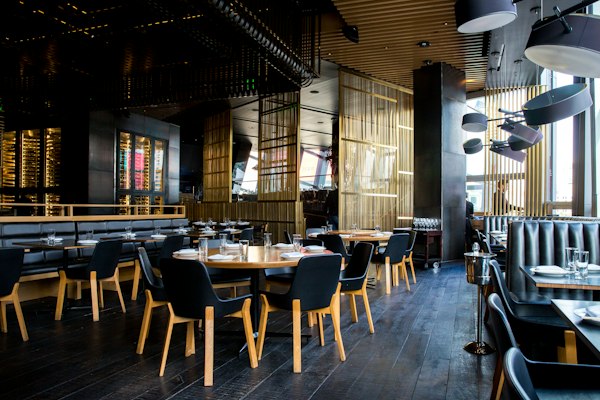
IPTV for Dining Cars: Elevating Food-Travel Experiences with Live Sports and TV
Dining-car experiences are about atmosphere, timing, and hospitality. Whether you run a rail-inspired restaurant, a food-travel app, or a venue that recreates the golden age of onboard dining, guests expect more than a menu—they expect a complete experience. That is where IPTV becomes a surprisingly natural fit. It can bring live sports, news, and entertainment into lounge areas, waiting spaces, and even home dining events without the rigid limitations of traditional cable.
For the audience behind dining-car.app—people who care about curated dining, travel, and hospitality—IPTV is not just a technical upgrade. It is a way to blend food, travel, and live television into one seamless atmosphere. In this guide, we connect dining-car culture with the practical side of IPTV, with a special focus on Portugal and sports-first streaming.
What Is IPTV and How Does It Transform the Television Experience?
IPTV stands for Internet Protocol Television. Instead of receiving channels through a satellite dish or a coaxial cable, IPTV delivers live TV and on-demand content over an internet connection. For viewers, the result is often faster access to niche channels, better on-demand libraries, and more flexible hardware choices.
Traditional cable bundles are fixed. IPTV is more adaptable: you can watch on a Smart TV, Android box, Fire Stick, tablet, or phone. For hospitality spaces and dining-car concepts, that flexibility matters. A lounge can show a match on a large screen while staff manage menus on a tablet, all without installing a separate legacy TV system.
- Live TV: sports, news, entertainment, and international channels.
- On-demand: films, series, and replays when guests want them.
- Multi-device access: one service across screens and rooms.
- Scalable setup: suitable for a single dining room or multiple venues.
How IPTV Enhances Dining-Car and Food-Travel Experiences
A dining car is more than a place to eat; it is a moving stage for conversation, scenery, and service. In a modern food-travel venue, IPTV can support that stage in subtle ways. Screens in a waiting lounge can show travel documentaries, live sports, or destination footage. A private dining area can switch to a major football match for a special event. Even a home dining experience inspired by rail travel can use IPTV to create a background of live entertainment.
The key is balance. Sound should never overwhelm conversation, and screens should complement the design rather than dominate it. Used well, IPTV turns a dining-car theme into a connected hospitality experience. It also gives operators a practical tool for match-day promotions, themed dinners, and food-travel events that need live TV without a cable box.
For readers comparing options, this Portugal IPTV comparison guide can help clarify package terms, device support, and streaming expectations before you commit.
The IPTV Landscape in Portugal
Portugal has a strong foundation for IPTV. Fiber-to-the-home coverage has expanded significantly, and major operators such as MEO, NOS, Vodafone, and Nowo compete in many urban and suburban areas. That infrastructure makes live TV over the internet realistic for households, restaurants, and hospitality venues that need stable streams.
The legal side matters. Portugal follows EU copyright and content-licensing rules, and legitimate IPTV services must have the rights to distribute the channels they offer. Users should check terms of service, channel licensing, payment transparency, and device limits. A cheap service with unclear ownership may look attractive, but it can create reliability and legal risks.
For sports fans in Portugal, the demand is intense: football, Champions League nights, Formula 1, and international leagues all drive peak-hour traffic. That is why a sports-first IPTV setup needs more than a long channel list. It needs stable servers, sensible bitrates, and fast zapping—especially when a match is about to start.
Why Choose IFSolutions.pt for Sports Broadcasting?

Sports is where IPTV quality is tested. A service can look fine during a quiet afternoon and then struggle when thousands of viewers join the same kick-off. For that reason, the service at iptv sport Portugal is positioned around sports-first performance: stable live feeds, high-quality 4K/FHD options where available, and a focus on reducing buffering during peak match windows.
For dining-car venues and food-travel hosts, that reliability is practical. A Champions League dinner, a Ligue 1 viewing party, or an F1 race brunch only works if the stream holds. Sports-focused IPTV also makes it easier to build themed events around live football, Bein Sports coverage, and major international fixtures. Instead of hoping a generic stream holds, operators can plan around a service designed for match-day traffic.
What should sports viewers look for? Stability over channel count, clear picture quality, low latency, and responsive support. The best experience is not simply the cheapest package; it is the one that keeps the picture smooth when the event matters most. For a Portugal-focused sports audience, that means prioritizing feeds that handle football, F1, and Ligue 1 without constant interruption.
- Football and Champions League: peak-demand stability matters.
- F1 and motorsport: fast action needs low buffering.
- Ligue 1 and Bein Sports: sports-first channel focus.
- 4K/FHD where available: sharper viewing for venue screens.
Essential Hardware and Setup Guide for Dining-Car and Hospitality Operators
A good IPTV setup starts with the network, not the screen. For a dining-car-inspired venue, the goal is a clean, discreet installation that keeps the service reliable. Use a quality router, prefer Ethernet for fixed screens, and keep Wi-Fi reserved for staff devices and guest use. If multiple screens will show the same match, a wired network or a well-planned mesh system is usually safer than relying on a single weak signal.
- Smart TV or Android box: choose a device that supports the IPTV player you need.
- Stable internet: fiber is preferable; test speed during peak evening hours.
- Ethernet where possible: fixed screens benefit from wired connections.
- Reasonable playback settings: match resolution to screen size and bandwidth.
- Backup plan: keep a second connection or device for major sports events.
For home dining events, a Fire Stick or Android box can be enough. For commercial dining spaces, check licensing, sound limits, and whether the venue is allowed to show public broadcasts. The hardware is simple; the operational planning is what protects the guest experience.
Legal vs. Illegal IPTV: Safety, Copyright, and Best Practices
Not every IPTV service is the same. Legal IPTV providers are transparent about licensing, payment, terms, and support. Illegal services may promise unrealistic channel lists at very low prices, but they can expose users to malware, sudden shutdowns, and copyright problems. For a restaurant, hotel, or public dining venue, those risks are especially serious because the content may be shown to an audience.
Best practices: verify the provider’s identity, read the terms, confirm content rights where required, use secure payment methods, and avoid services that encourage piracy. If you are showing sports in a commercial setting, check public-performance rules and local requirements in Portugal. A reliable legal setup may cost more, but it protects your business and your guests.
Conclusion
Dining-car experiences thrive on atmosphere, and IPTV can add a modern layer of live entertainment without breaking the mood. From food-travel lounges to themed match-day dinners, the right service turns television into part of the hospitality experience. In Portugal, where fiber coverage is strong and sports demand is high, the priority should be stability, legal clarity, and sports-first performance. For viewers and venues that care about live football, Champions League nights, F1, Ligue 1, and Bein Sports, a sports-optimized IPTV setup is the practical choice.
FAQ
Is IPTV legal in Portugal?
IPTV technology is legal, but the service must respect copyright and licensing rules. Always choose a provider that is transparent about content rights and terms of service.
Can IPTV handle live sports without buffering?
A well-configured sports-focused IPTV service with stable servers and good internet can deliver smooth live sports. Wired connections and realistic resolution settings help reduce buffering.
What equipment do I need for IPTV in a dining venue?
You typically need a Smart TV or Android box, a reliable router, and a stable internet connection. For commercial screens, Ethernet is strongly recommended.
Does IPTV work for Champions League, F1, Ligue 1, and Bein Sports?
Sports-first providers aim to support major live events with stable feeds and good picture quality. Check the channel lineup and trial terms before committing.
Is a cheap IPTV subscription worth it?
Not always. Low price can mean weak servers, poor support, or legal risk. For sports and hospitality use, reliability and transparent licensing matter more than the lowest monthly cost.